Ecuador was the first country in the world to officially recognize the Rights of Nature in its constitution. While the Galapagos Islands often dominate the sustainable travel narrative, a quiet revolution of eco-tourism is transforming the Ecuadorian coast.
As backpackers and digital nomads flock to towns like Mompiche and Ayampe, the pressure on local ecosystems grows. Here is how travelers can make responsible choices-and why staying at an eco-hostel matters.
The Importance of the Mangroves
In coastal towns like Mompiche, the ecosystem relies heavily on the health of the surrounding mangroves. These unique forests act as natural barriers against storm surges, prevent coastal erosion, and serve as vital nurseries for marine life. Unfortunately, decades of unchecked shrimp farming wiped out vast swaths of Ecuador's mangrove forests.
Today, sustainable tourism is helping to reverse this trend. By choosing to spend money in towns that protect their mangroves, travelers provide a financial incentive for conservation over deforestation.
Bamboo Architecture: Building with Nature
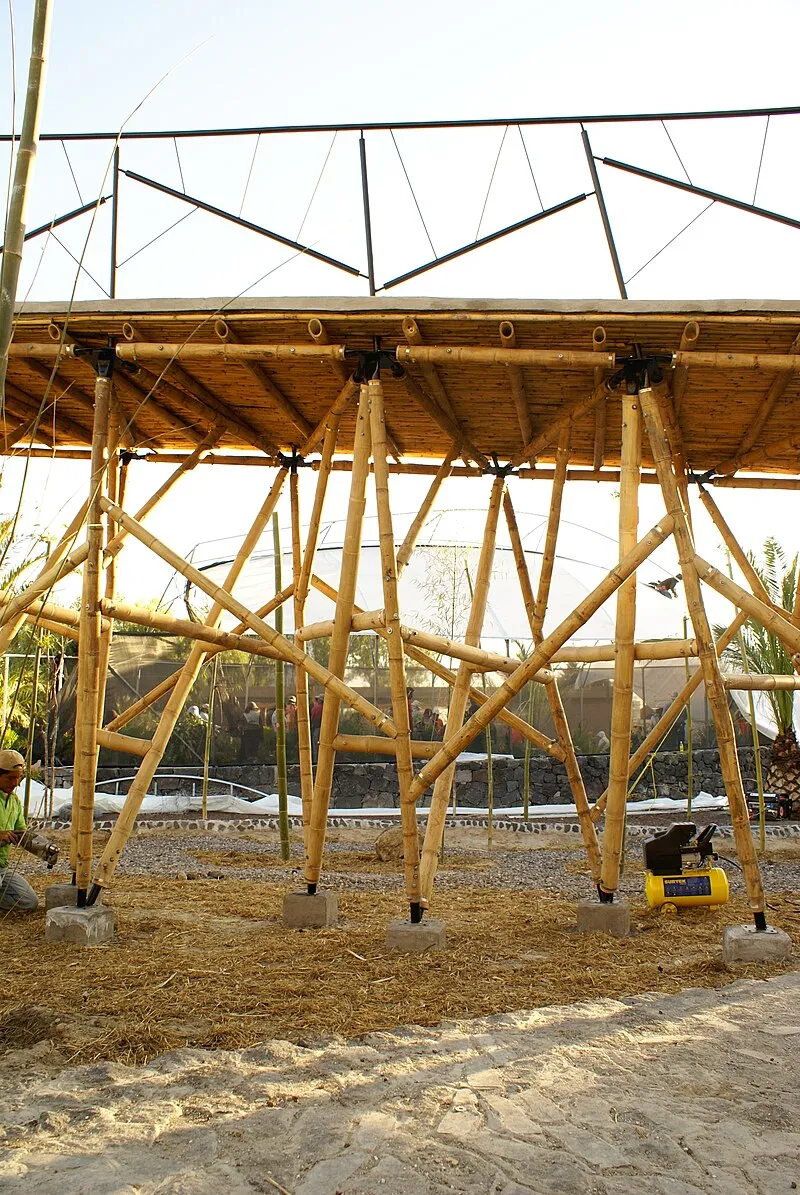
When you look at traditional, concrete beachfront hotels, their carbon footprint is massive. Eco-hostels are taking a different approach by returning to traditional, indigenous building methods. The most prominent of these is Guadua Bamboo.
- Incredibly Strong: Guadua bamboo is often called "vegetal steel" due to its incredible tensile strength and flexibility (making it highly earthquake-resistant).
- Carbon Negative: Bamboo grows incredibly fast. Harvesting it actually promotes new growth, and it sequesters more carbon dioxide than a comparable area of trees.
- Natural Cooling: Bamboo structures with high, thatched roofs allow hot air to rise and escape, eliminating the need for energy-heavy air conditioning in tropical climates.
How to Be an Eco-Conscious Backpacker
Staying sustainable isn't just about where you sleep; it's about how you move through a place.
- Use Reef-Safe Sunscreen: Traditional sunscreens contain oxybenzone, which bleaches coral reefs and harms marine life. Always opt for mineral-based (zinc) sunscreens before hitting the surf.
- Say No to Single-Use Plastics: Waste management is a massive challenge in rural coastal villages. Bring a reusable water bottle (many eco-hostels provide filtered water refills) and a tote bag for local markets.
- Eat Local: Support the local fishing families by eating at small comedores (local eateries) rather than large, imported-food restaurants.
Continue Reading
Experience Bamboo Eco-Living at The Mudhouse Hostel
The Mudhouse Hostel was built with a deep respect for the Mompiche ecosystem. We utilized locally sourced bamboo and traditional building techniques to create stunning, breathable cabañas nestled right against the protected mangroves. Travel responsibly and sleep beautifully.
Book an Eco-Cabaña Today